Dental implants could be needed if you lose a tooth or several teeth. They have been in common use for over 50 years. They have evol ved from being used or inserted to fix a single tooth, via installing on the implant a crown or a replacement tooth, to also serving to fit several missing teeth inserted over a bridge on top of the implant. Therefore, they could help if a person lost one tooth, several or all of their teeth. In the case of half or all of teeth being lost, an alternative of acrylic dentures or false arch of teeth could be fitted, but these do not provide a normal sense of chewing and biting. Which lost teeth can qualify for an implant? The answer is that they are used with pre-molars, canines, front and back teeth whether on the upper or lower jaw
Implants have also been used to help adolescents who possess small jaws that stopped growing. It depends in which part of the world you are for when the procedure can be performed.
When is a dental implant needed?
As it is mentioned above, dental implants are used as a way of replacing lost teeth. This may sound simple, however, there are thresholds and health checks which need checking before deciding on an implant. If you find yourself in a situation where some of your teeth are decaying and you consider a replacement implant, ask about alternatives as most recent research is now questioning the absolute need for implants over the other course of treating with filling and regular checks. Implants would involve several steps, and basically work through an incision and a drilled cavity in the place of the removed tooth/teeth to make way for inserting the implant.
In case you find yourself, needing replacement teeth, do your reading to understand the process and ensure that you go to a trained Los Gatos dentist who completes the following checks,
- Your jaw bone structure is fit and can heal, grow and attach to the inserted implant
- That your gum are healthy and there are no ongoing problems before insertion
- That there is no teeth decay around the area or on other teeth before the implant is installed
- That you do not smoke and or use drugs
- That you are not diagnosed with diabetes, bone diseases or ones affecting blood clotting
For the first three, there are some cases where dentists may not have checked for the following conditions, and the results over extended periods of time meant complications and repeated surgery and procedures. Whilst the last two points above should be used to reject a patient for implants.
 . One is having a denture if it is suitable for your needs. It is important to know that implants have been used widely and successfully, but any patient intending to have them inserted should understand how the process works, know the steps and the aftercare needed as it is a procedure which takes time, and may be carried out over multiple stages. Additionally, taking care of your oral hygiene after fitting implants is very important as this helps keep the implants for long periods of time. Some implants may last up to 20 years. The cost could also be substantial and is dependent on how many teeth you are replacing.
 States of America, the American Academy of Implant Dentistry provides credentials for patients looking for dental implant specialists. This credential comes after testing, education and training that dentists undertake.
 mplants. Dentists will take ‘radiographs’ of the jaws as you need to have healthy bone structure and they need to check for nerves and sinuses and their positions especially in the location of where the implant will go. Either X-rays or Computed Tomography (CT) scans may be used to give a three dimensional image to help dentists plan how to insert the implant.
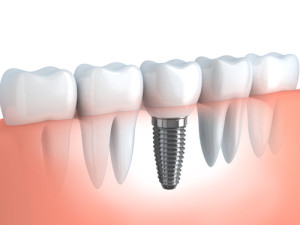
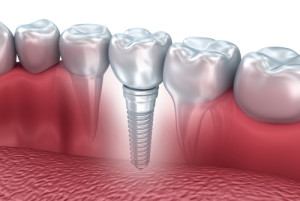 were used since the 1960s. They were used to replace missing teeth, but nowadays are used to support a crown (which are used for a single tooth), or a bridge which replaces a set of missing teeth or even all as with dentures. People who want to get their normal chewing back benefit from implants because they feel and work like normal teeth. Their material titanium allows the implant to fit with the adjacent teeth and does not require any root work or filling to be done.
 rope. You need to find out how much it costs in your country, check how reliable the service is and what is and isn’t covered by insurance. However, to help you understand the cost, the following are what make up a